
Souvenirs (CITES)
Souvenirs made from animals or plants are often subject to strict species protection rules. Find out which souvenirs require a permit or are banned – and for which CITES-regulated souvenirs exemptions with quantity limits apply under clearly defined conditions.
Souvenirs: What is allowed – and what isn’t
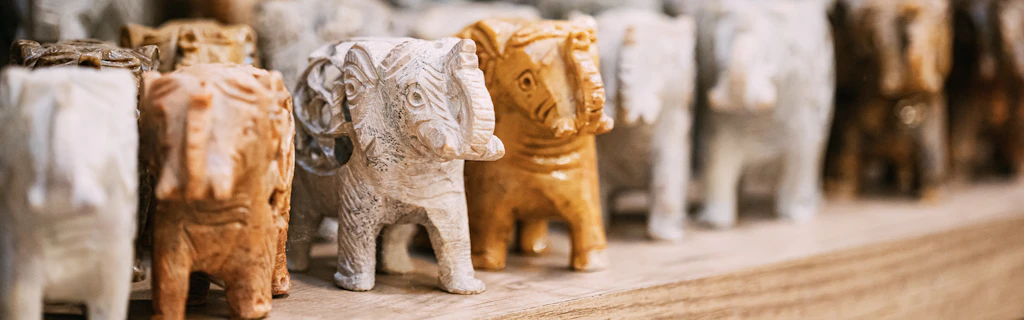
Be careful when choosing travel souvenirs and gifts as many animal and plant species are protected under the Convention on International Trade in Endangered Species of Wild Fauna and Flora (CITES) or by national legislation in the holiday country. Crossing a border is therefore often only permitted with a permit, or is banned entirely. This applies regardless of whether you purchased the products or found them in the wild – such as corals on the beach or feathers in the forest. Dealers rarely draw travellers’ attention to the requirement for a permit.
Exemptions for certain souvenirs
However, for certain souvenirs, CITES sets out exemptions from the declaration, permit and inspection requirements (Art. 22a VCITES). These exemptions allow the sale of goods to tourists in the country of origin and are intended to support the local economy. They only apply to non-live specimens originating from species included in CITES Appendix II or III that were acquired legally and are not purchased for commercial purposes. The goods must also be worn or carried, or included in your personal baggage. The exemptions under Art. 9 CITES Control Ordinance only apply up to the stipulated maximum quantities per person per day.
- up to 125g caviar per person in an unopened container (not cumulative, e.g. 1 package of 250g for two persons is not permitted)
- 2 products derived from crocodilian species listed in CITES Appendix II
- 3 queen conch shells (Strombus gigas)
- 3kg of giant clam shells (Tridacna spp.) per person (not cumulative, e.g. 1 giant clam of 4 kg for two persons is not permitted)
- 4 seahorses (Hippocampus spp.)
- 3 cactus rainsticks
- Agarwood (Aquilaria spp.): 1kg wood chips, 24 ml oil, 2 sets of wooden beads or prayer chains, or 2 necklaces or bracelets.
All other CITES-listed souvenirs, such as ivory carvings, stony corals, tortoiseshell, cacti and orchids either may not be imported or are subject to a permit and inspection requirement. If you bring such goods into Switzerland without the required permits, the FSVO will flag the import as non-compliant.